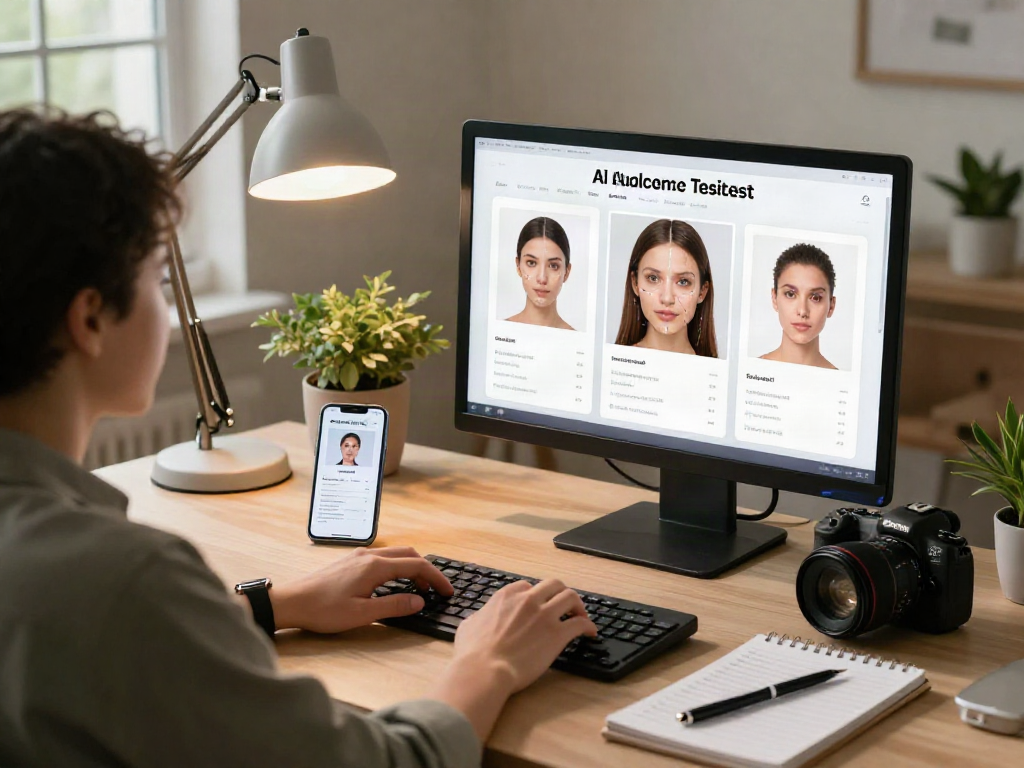
Understanding Attractiveness: The Science Behind the Test
Attractiveness has long fascinated scientists, philosophers, and everyday individuals alike. Whether it's the allure of a Hollywood star or the charm of a neighbor, we often find ourselves assessing attraction based on various parameters. An attractiveness test aims to quantify this complex and subjective experience. As we delve into the underlying science, we will explore what these tests measure, how they function, and the factors influencing our perceptions of beauty.
What Is an Attractiveness Test?
An attractiveness test generally refers to tools or assessments designed to evaluate an individual’s physical appearance based on specific criteria. These tests utilize a combination of technology and human psychology to create a score or rating that reflects how attractive a person’s facial features may be considered. While some tests are rooted in scientific principles, others are more subjective and reliant on popular opinion.
Key Factors Influencing Attractiveness
Understanding attractiveness involves dissecting a variety of elements, including:
- Facial Symmetry: Studies show that symmetrical faces are often perceived as more attractive, as they are seen to reflect genetic health.
- Golden Ratio: This mathematical ratio is often associated with beauty in art and nature; faces that conform to this ratio are typically rated higher in attractiveness.
- Canthal Tilt: The angle of the eyes can greatly affect perceptions; a slight upward tilt is often considered more appealing.
- Skin Quality: Clear, healthy-looking skin contributes heavily to beauty standards across various cultures.
The Role of Technology in Beauty Assessment
In recent years, advancements in artificial intelligence and machine learning have transformed the landscape of attractiveness testing. AI-powered tools can analyze various features of facial aesthetics, considering symmetry, proportion, and overall harmony. By mapping key facial landmarks, these tools not only provide a score but also detailed insights that can guide individuals seeking improvement.
Types of Attractiveness Tests Available
AI-Powered Facial Analysis Tools
AI-powered tools harness algorithms to analyze facial features. These tests can provide a quick assessment based on a photo uploaded by the user. Users often receive feedback on their symmetry, proportion, and other factors that contribute to traditional beauty standards. This innovative approach allows individuals to understand their attractiveness in a scientifically-backed manner.
Traditional Attractiveness Surveys
Beyond AI, traditional surveys involve asking groups of people to rate attractiveness based on images or live assessments. These methods can yield varied results as they depend heavily on societal standards and personal biases, although they offer insight into collective perceptions of beauty.
Emerging Trends in Beauty Evaluation
As beauty norms continue to evolve, new trends are emerging in attractiveness testing. For instance, there's a growing interest in tests that incorporate personality traits and self-esteem analysis. This shift reflects a broader cultural movement towards recognizing that attractiveness goes beyond mere physical appearance and includes aspects of character and personal charm.
How to Choose the Right Attractiveness Test for You
Identifying Your Personal Goals
Before undertaking an attractiveness test, it's crucial to identify your objectives. Are you seeking to enhance your self-esteem, or are you genuinely interested in understanding beauty standards? Knowing your motivation will guide your choice of test and how you interpret results.
Evaluating Accuracy and User Experience
When choosing a test, consider its reliability. User reviews can provide insight into the accuracy of results and the overall experience. Tests that present clear methodologies and transparent scoring criteria are typically more dependable.
Assessing Privacy and Data Security
With many tests requiring photo uploads, it’s essential to review how your data will be handled. Ensure that the chosen platform adheres to stringent privacy regulations, protecting your personal information from misuse.
Interpreting Your Attractiveness Test Results
Understanding Your Score: What Does It Mean?
Receiving a score from an attractiveness test can be both enlightening and daunting. Scores can range widely, depending on the parameters used by the testing tool. It's essential to remember that these scores do not define your worth but rather provide insight into how certain features align with societal beauty standards.
Common Misconceptions About Beauty Metrics
Many individuals assume that higher scores equate to lifelong happiness and success. However, beauty is subjective and context-dependent. What one person finds attractive, another might not, emphasizing the importance of personal perspective.
Using Results for Personal Growth and Confidence
Regardless of your score, the results from an attractiveness test can be employed for personal growth. For example, if symmetry or proportionality is a focal point, individuals can explore cosmetic interventions or makeup techniques to enhance these features.
Future Trends in Attractiveness Assessment and Beauty Standards
The Impact of AI on Beauty Norms by 2026
As we move towards 2026, the influence of AI on beauty norms will only increase. Predictions suggest that more personalized and nuanced assessments will emerge, allowing individuals to compare results across diverse demographics and cultures.
Shifts in Societal Perceptions of Attractiveness
In coming years, societal views on beauty are expected to broaden further, embracing diversity and reducing the emphasis on traditional standards. This shift will likely encourage individuals to appreciate their unique traits rather than conforming to a narrow definition of attractiveness.
The Role of Social Media in Beauty Trends
Social media continues to shape and redefine beauty standards. Platforms that promote body positivity and diverse representations are rising, influencing how individuals perceive themselves and others. The ongoing dialogue surrounding beauty will undoubtedly affect future attractiveness tests and their methodologies.
What is an AI attractiveness test?
An AI attractiveness test employs algorithms to assess facial features, providing a score based on various aesthetic criteria. These tests can analyze the symmetry, proportion, and overall harmony of a face.
How accurate are online attractiveness tests?
While many online tests provide insightful feedback, their accuracy can vary. It's essential to choose reputable tools that utilize scientifically validated methodologies to ensure reliable results.
Can attractiveness tests help with self-improvement?
Yes, attractiveness tests can serve as a tool for self-reflection and improvement. By understanding which features contribute to perceived beauty, individuals can make informed decisions about cosmetic enhancements or grooming practices.
What do attractiveness scores really indicate?
Attractiveness scores indicate how well an individual’s facial features align with prevailing beauty norms. However, they do not capture the full essence of a person’s attractiveness, which includes character and personality.
Are there any risks associated with taking beauty tests?
Taking beauty tests can sometimes foster negative body image, especially if individuals place too much weight on their scores. It is crucial to approach these assessments with a balanced mindset and a focus on self-acceptance.