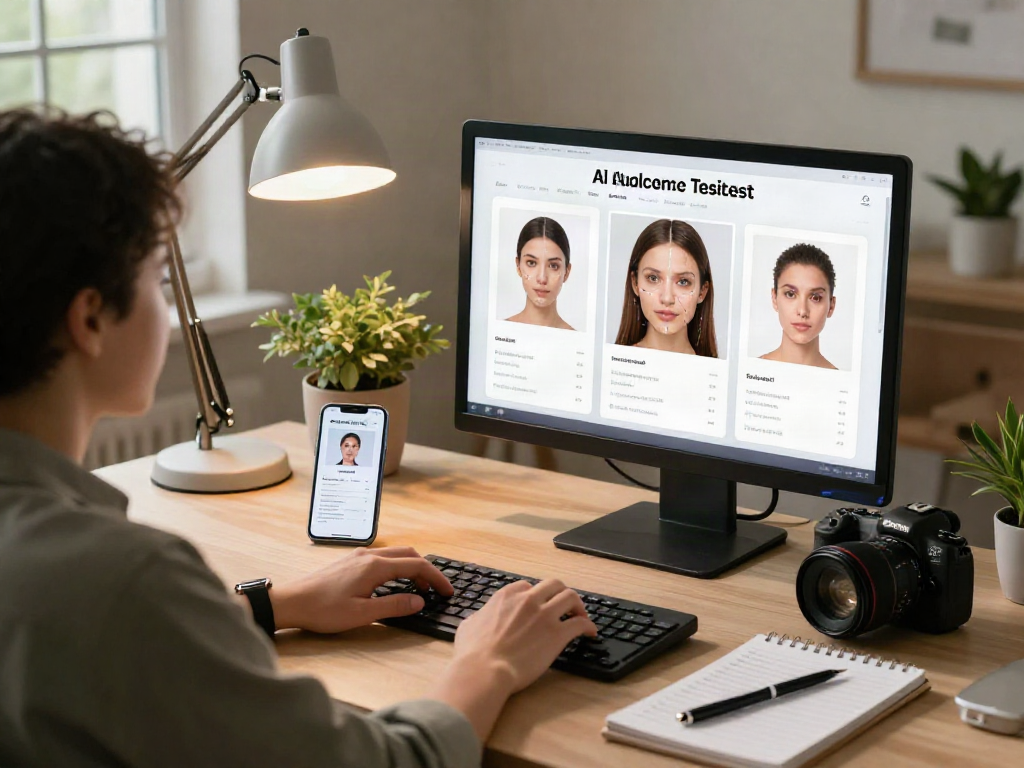
Understanding the Concept of Age Estimation
In an age where technology is intertwined with our daily lives, it is no surprise that curiosity about our own appearance has led to the development of various online age estimation tools. The question "how old do I look?" resonates with many individuals seeking validation or insight into their facial appearance compared to their biological age. These tools, harnessing artificial intelligence and image processing technologies, offer a glimpse into the fascinating world of age recognition. When exploring options, how old do i look tools provide comprehensive insights that can be both entertaining and informative.
What Does It Mean to Ask "How Old Do I Look"?
Asking "how old do I look?" is often less about seeking a specific number and more about understanding perceptions of aging in society. For many, it is a playful inquiry, a form of self-reflection that can influence how they see themselves and how others view them. This question can spark various emotions, from pride in a youthful appearance to anxiety about aging. The implications of this inquiry can be profound, affecting self-esteem and social interactions.
The Science Behind Facial Age Recognition
Facial age recognition relies on understanding how specific features dynamically change with age. Research has shown that factors such as wrinkle depth, skin tone, and facial structure play significant roles in how our age is perceived. For instance, younger faces typically feature smoother skin, fuller cheeks, and fewer visible lines, while older faces may display sagging skin and pronounced wrinkles. Through machine learning algorithms, these characteristics are analyzed to provide an age estimation that reflects both biological and perceived age.
Common Misconceptions About Age Estimation Tools
Despite their popularity, there are several misconceptions surrounding age estimation tools. One common myth is that these tools provide definitive answers. In reality, they offer estimates based on identifiable patterns and features but are not infallible. Additionally, many assume that these tools are entirely objective; however, cultural factors and societal standards can influence how age is interpreted and represented in the results.
How AI Technology Powers Age Estimation
Innovative Algorithms in Age Detection
At the core of age estimation technology lies sophisticated algorithms that analyze numerous facial metrics. These algorithms utilize large datasets, comprising images of faces at various ages, to learn and identify patterns associated with aging. The training involves deep learning techniques that allow the system to improve its accuracy continuously. As technology advances, so too does the precision of these estimations, making them increasingly reliable.
The Role of Machine Learning in Accuracy
Machine learning plays a pivotal role in refining age estimation tools. By analyzing thousands of images and their respective ages, machine learning models can detect subtle differences in facial features that correlate with age. This process increases the accuracy of the age guesses and allows for real-time analysis during uploads, making it a powerful resource for users wishing to evaluate their appearance.
Future Trends in AI for Age Recognition
As we look to the future, the field of AI-driven age recognition is set to evolve significantly. Emerging trends include the integration of augmented reality (AR) to provide dynamic age assessments on social media platforms. Furthermore, as ethical considerations regarding facial recognition technology gain prominence, developers will focus on enhancing privacy and security measures within these applications, ensuring users feel safe while utilizing such tools.
Practical Applications of Age Estimation
Using Age Estimation for Social Media Engagement
Age estimation tools can significantly enhance user engagement on social media platforms. As visual aesthetics play a crucial role in social media success, individuals and brands can leverage age detection results to create content that resonates with their audience, fostering connections based on relatability. By understanding how old they appear, users can tailor their posts and interactions to align with their perceived age and identity.
Benefits for Personal Brand Building
In today's digital landscape, personal branding is essential. Age estimation tools provide insights that can aid in sculpting an authentic online persona. Users can analyze their photos and refine their branding to reflect a youthful image or an age-appropriate representation, depending on their target audience. This awareness can bolster their confidence and shape how they communicate and present themselves in professional settings.
Case Studies: Successful Uses of Age Estimators
Several prominent influencers and brands have successfully integrated age estimation tools into their content strategies. For example, a beauty influencer may showcase their makeup looks through before-and-after images assessed by an age estimator. This not only engages their audience but also prompts discussions around beauty standards and age perceptions, further enhancing their online presence.
Challenges and Limitations of Age Estimation Tools
Privacy Concerns and Data Security
While age estimation tools offer fun and engaging experiences, they also raise significant privacy concerns. Users often must upload personal photos, which can be sensitive information. Developers and companies must ensure data security measures are in place to protect users’ images and personal information from misuse or unauthorized access.
Understanding Variability in Results
The variability in age estimation results can lead to confusion and skepticism. Several factors can influence the perceived age result, including the quality of the uploaded image, lighting conditions, and even facial expressions. Users may receive different estimations based on these variables, which can lead to frustration and doubts regarding the tool’s reliability.
Addressing Skepticism About Accuracy
To mitigate skepticism regarding the accuracy of age estimators, developers must communicate clearly about how these tools work and the statistical data supporting their algorithms. Transparency in their capabilities and limitations creates a more informed user base and builds trust in the technology.
The Future of Age Estimation in 2026 and Beyond
Emerging Trends in Digital Age Recognition
By 2026, we can anticipate dramatic advancements in digital age recognition technologies. Enhanced algorithms will improve accuracy and reliability, and AI will likely become more adept at distinguishing between similar age groups. Moreover, as user interfaces continue to evolve, the integration of these tools into daily life will become even more seamless, potentially embedding themselves in wearable technologies.
Predictions for Social Media Integration
Future social media platforms may incorporate age estimation tools natively, allowing users to see how they might look in different future scenarios. This could lead to new forms of interactive content, encouraging users to engage more with the platform. For example, users could see the aging process in real-time, fostering discussions around aging and perceptions of beauty.
Expert Insights on the Evolution of Age Estimation
Experts predict that as societal perceptions of age continue to shift, age estimation technology will adapt accordingly. The focus may turn toward promoting diversity in beauty and age representation. Developers are likely to collaborate with sociologists and psychologists to better understand the implications of the technology on users’ self-image and societal standards.
What Factors Influence the Popularity of Age Estimation Apps?
The popularity of age estimation apps is influenced by several factors, including the rise of social media and the growing interest in self-improvement and beauty standards. Additionally, an increase in digital interactions has led individuals to seek validation and feedback from technology, pushing the appeal of these tools further into mainstream culture.
Can Age Estimation Change Perceptions of Aging?
As these tools become more commonplace, they have the potential to change how society views aging. By normalizing conversations around age through engaging and fun applications, individuals may develop healthier attitudes toward aging, embracing it as a natural process rather than a negative aspect of life.