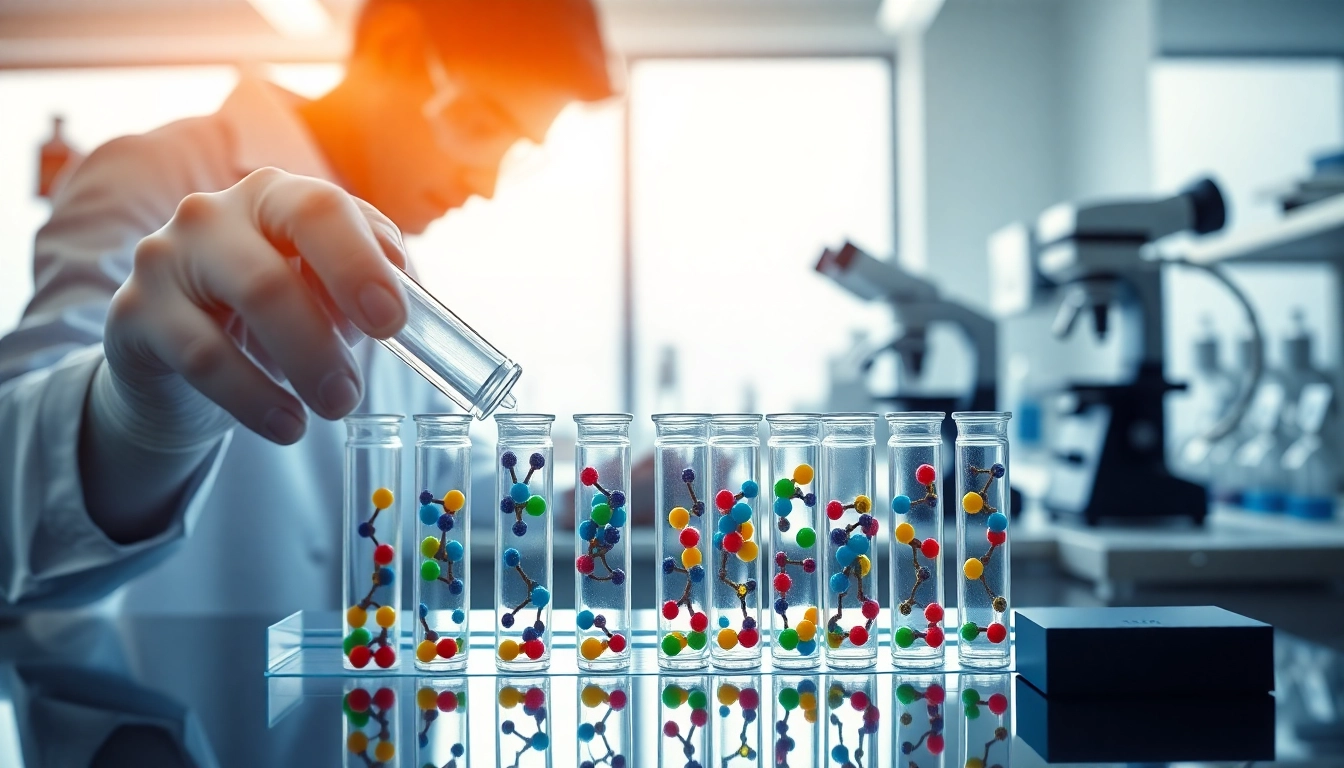
Understanding Peptides: Basics and Definitions
What Are Peptides?
Peptides are short chains of amino acids linked together by peptide bonds. These sequences are fundamental components in biological systems, functioning as hormones, neurotransmitters, and enzymes. Their unique structures allow them to perform a wide array of functions, influencing various physiological processes. Essentially, peptides are pivotal in cellular communication and play critical roles in regulating body functions by binding to specific receptors on cell surfaces. A peptide's sequence determines its specific role, and even small changes in this sequence can significantly alter its functionality. For a closer look at how peptides impact health and medicine, you might find it interesting to explore peptides and their diverse applications.
Types of Peptides Used in Research
Research into peptides encompasses several types, each with unique properties and uses. Some common categories include:
- Hormonal Peptides: These are involved in signaling and regulating bodily functions, such as insulin.
- Neuropeptides: These serve as neurotransmitters in the brain, influencing mood, pain perception, and stress responses.
- Antimicrobial Peptides: Recognized for their ability to combat bacteria and viruses, these peptides are essential in the field of immunology.
- Therapeutic Peptides: Focused on medical applications, these peptides are studied for their roles in treatments for various diseases, including cancer and diabetes.
Functionality of Peptides in Biological Systems
The functionality of peptides in biological systems is extensive and complex. They participate in nearly every biological process, acting as messengers and enzymes that facilitate biochemical reactions. For instance, certain peptides can modify cellular activities by activating or inhibiting specific pathways. Their role in immune responses is equally critical, as they help in identifying and neutralizing pathogens. Moreover, peptides can stimulate tissue regeneration and repair, indicating their potential in therapeutic applications. This diversity in functionality underscores the importance of peptides in both fundamental biology and applied sciences.
The Importance of Peptides in Health Sciences
Peptides in Drug Development
Peptides have become increasingly significant in drug development due to their high specificity and low toxicity compared to traditional small molecules. The design and synthesis of peptide-based drugs allow for tailored therapeutic approaches. Various peptides are in various stages of clinical trials, targeting conditions such as diabetes, cancer, and metabolic disorders. Their ability to mimic naturally occurring hormones and proteins enables them to interact effectively with biological targets, facilitating precise therapeutic outcomes. As the understanding of peptide pharmacodynamics and pharmacokinetics evolves, the potential for innovative drug designs continually expands.
Therapeutic Applications of Peptides
The therapeutic applications of peptides are vast and growing rapidly. Some of the notable applications include:
- Endocrine Disorders: Peptides like GLP-1 analogs improve insulin sensitivity in diabetic patients.
- Cancer Treatment: Peptides having cytotoxic properties target and destroy cancer cells selectively.
- Cardiovascular Health: Certain peptides help regulate blood pressure and cholesterol levels.
- Neurodegenerative Diseases: Research is underway on the therapeutic effects of peptides in conditions like Alzheimer’s and Parkinson’s.
Case Studies on Peptides and Disease Treatment
Several compelling case studies highlight the effectiveness of peptides in disease treatment. For example:
In one study, a peptide-based insulin formulation was developed that significantly improved glycemic control in diabetic patients. Another case involved the use of an antimicrobial peptide that reduced postoperative infections in surgical patients. These cases illustrate how peptides can provide innovative solutions to pressing medical challenges, enhancing patient outcomes and offering new avenues for treatment strategies.
Peptide Synthesis Techniques
Overview of Synthesis Methods
Peptide synthesis is a critical process in research and drug development, necessitating precision and reliability. Two primary methods dominate peptide synthesis:
- Solid-Phase Synthesis (SPS): This technique attaches the growing peptide chain to an insoluble support, facilitating purification and removal of the final product.
- Liquid-Phase Synthesis (LPS): This more traditional approach allows multiple peptides to be synthesized in solution, offering versatility for complex peptide structures.
Each synthesis method has distinct advantages and drawbacks, often influencing the final yield, purity, and structural integrity of the synthesized peptides.
Innovations in Peptide Production
Advancements in peptide production technologies have significantly improved efficiency and scalability. Innovations such as automated peptide synthesizers enable rapid synthesis of complex peptides with high precision. Furthermore, developments like microwave-assisted peptide synthesis (MAPS) enhance reaction rates and improve yields, making it feasible to produce therapeutic-grade peptides on a larger scale. These technological strides are changing the landscape of peptide synthesis, allowing for more accessible and economical production.
Quality Control in Peptide Synthesis
Quality control is paramount in peptide synthesis, particularly for pharmaceutical applications. Techniques such as High-Performance Liquid Chromatography (HPLC) and Mass Spectrometry (MS) are routinely employed to ensure the purity and structural integrity of synthesized peptides. HPLC separates peptide mixtures based on their size and charge, while MS provides detailed information about the molecular weight and structure. Implementing stringent quality control measures is essential to guarantee the safety and efficacy of peptide-based therapies.
Challenges in Peptide Research
Technical Hurdles in Peptide Studies
Despite their potential, peptide research faces several challenges. One significant technical hurdle is peptide stability; many peptides can degrade rapidly in biological environments. This instability complicates their use in therapeutics and necessitates the development of protective formulations or analogs. Additionally, the complex synthesis processes involved often lead to high production costs, limiting the accessibility of peptide-based treatments.
Ethical Considerations in Peptide Research
The ethical implications of peptide research are increasingly under scrutiny. Issues such as the source of materials used in synthesis, the effects of peptide therapies on human subjects, and regulatory compliance all play critical roles in guiding research practices. As peptide applications expand, maintaining ethical standards in research and clinical application ensures public trust and supports sustained innovation.
Potential Risks and Limitations of Peptide Use
Like any therapeutic agents, peptides possess certain risks and limitations. Immunogenicity, where the body’s immune system reacts adversely to administered peptides, remains a significant concern. Additionally, the difficulty of delivering peptides effectively to target cells due to their size can hinder their therapeutic applications. Ongoing research focuses on overcoming these limitations through novel delivery systems and modifications to enhance peptide viability and effectiveness, signaling a hopeful direction for future advancements.
The Future of Peptides in Scientific Research
Emerging Trends in Peptide Science
The field of peptide science is continually evolving, with new trends reshaping the landscape. One noteworthy trend is the rise of peptide mimetics, compounds designed to replicate the function of peptides while potentially overcoming limitations associated with peptide use. Furthermore, advances in computational modeling and bioinformatics are paving the way for the rational design of peptides, increasing the precision of therapeutic applications.
Integration of Peptides in Personalized Medicine
Peptides are positioned to play a transformative role in personalized medicine, characterized by tailoring treatments based on individual patient needs. By leveraging peptide profiles linked to specific diseases or conditions, healthcare providers can design more effective, targeted therapies that enhance treatment outcomes. The integration of peptides into personalized strategies signifies a shift towards more adaptive and effective medical practices.
Future Research Directions for Peptides
Looking ahead, the future of peptide research holds immense promise. Ongoing studies aim to explore innovative applications in gene therapy, vaccine development, and customized drug delivery systems. Moreover, collaborations between research institutions and biotechnology firms are fostering the discovery of novel peptides with therapeutic potential, paving the way for groundbreaking treatments that were previously unimaginable.
Frequently Asked Questions
What are peptides?
Peptides are short chains of amino acids linked by peptide bonds that play critical roles in various biological functions.
How are peptides synthesized?
Peptides are synthesized through methods such as solid-phase synthesis and liquid-phase synthesis, allowing precise control over their structure.
What are the therapeutic uses of peptides?
Peptides are used in therapies for conditions like diabetes, cancer, and cardiovascular diseases, showcasing their versatility in medicine.
What challenges does peptide research face?
Peptide research challenges include stability issues, high production costs, and regulatory hurdles that must be navigated for successful development.
What is the future of peptide research?
The future of peptide research includes advancements in personalized medicine and innovative therapeutic applications that address unmet medical needs.