Understanding Equipment Transport
What is Equipment Transport?
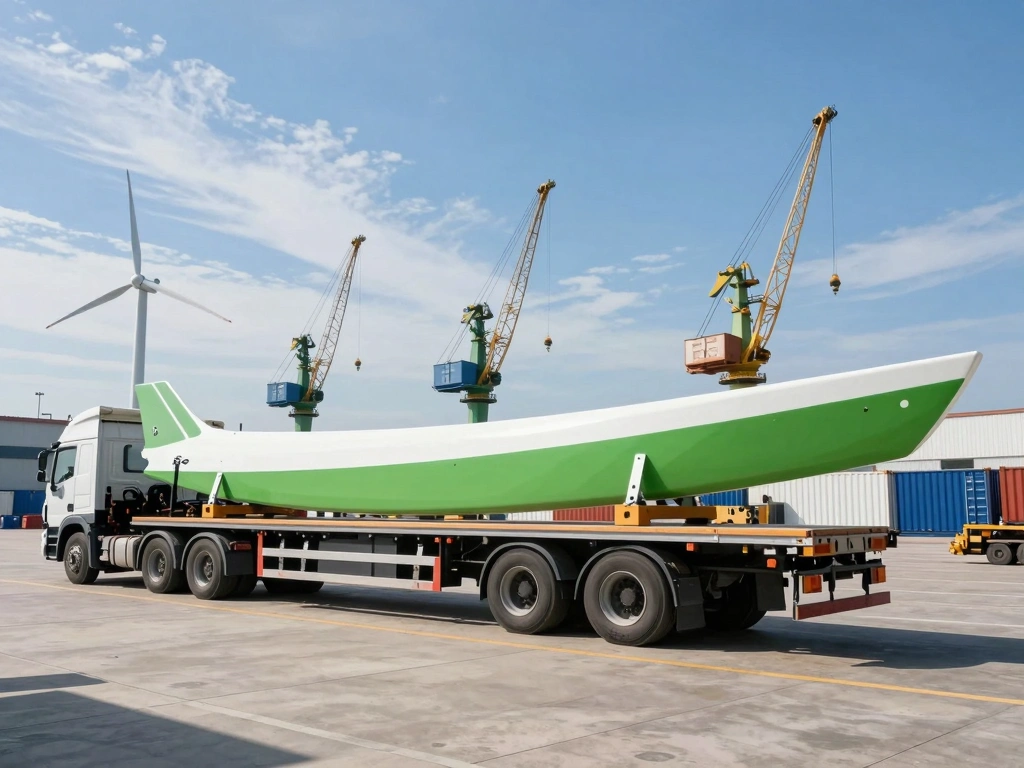
Equipment transport refers to the specialized services involved in moving heavy machinery, tools, and equipment from one location to another. This process requires careful logistics, skilled labor, and appropriate vehicles designed for transporting oversized and heavy items. In various industries, whether construction, agriculture, or manufacturing, effective equipment transport is crucial for operational efficiency and productivity. For those seeking to learn more, equipment transport encompasses a range of services from loading and unloading to long-distance hauling.
Types of Equipment Transport Services
Equipment transport manifests in several forms, tailored to the specific needs of the transportation task. The two main categories are:
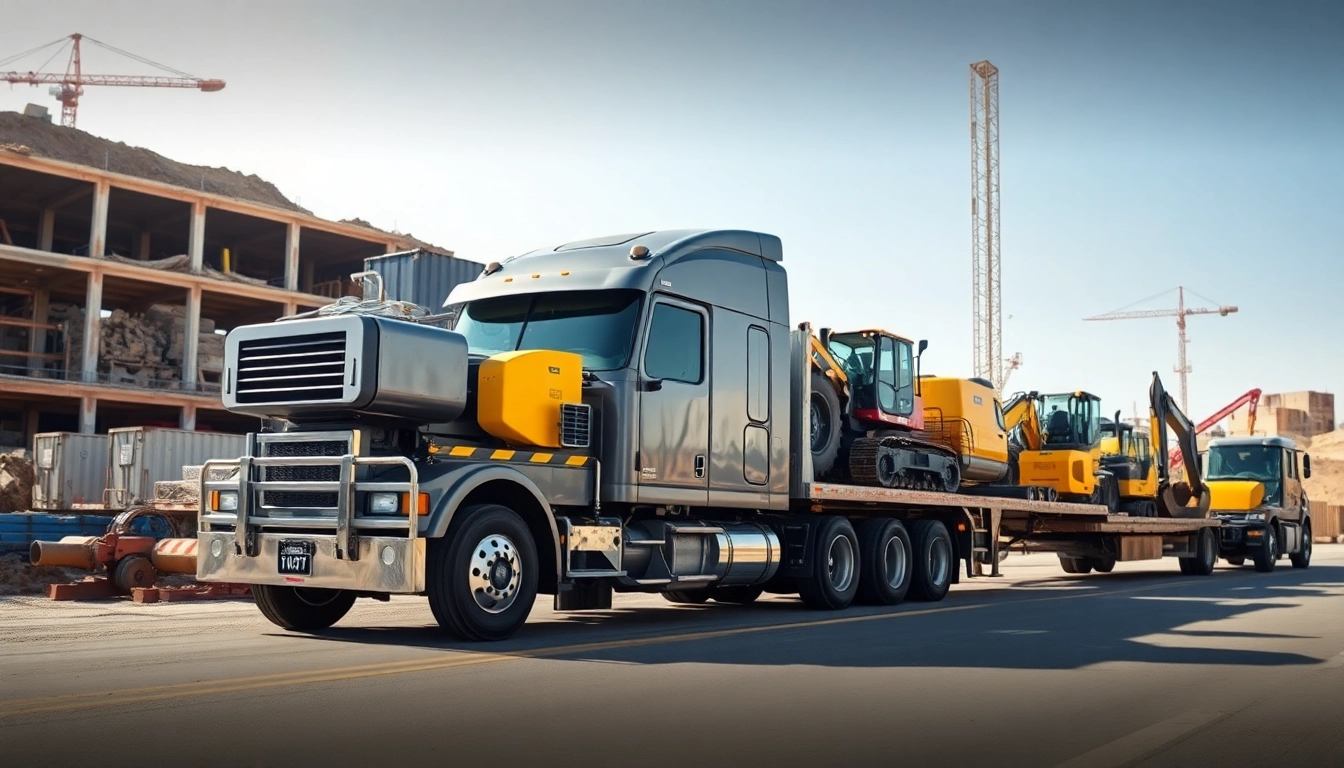
- Heavy Equipment Transport: This specialization includes the transport of large machinery such as excavators, bulldozers, and cranes. Companies typically employ lowboy trailers capable of carrying significant weight.
- Specialized Transport: This is designed for specific types of equipment, including agricultural implements, industrial tools, or unique machinery requiring custom handling, such as lifts or oversized cargo.
Importance of Professional Equipment Transport
Hiring professionals for equipment transport ensures safety, efficiency, and compliance with industry regulations. Professionals are familiar with the complexities involved in loading, securing, and unloading equipment, which minimizes the risk of damage. Moreover, companies that offer specialized transport services often have the necessary permits and insurance coverage, further enhancing the reliability and security of your transport needs.
Choosing the Right Equipment Transport Company
Assessing Company Credentials
Before selecting an equipment transport company, it's critical to verify their credentials. Look for companies that are properly licensed and insured. Licensing ensures that the transport company complies with regulations, while insurance protects you from liability in case of accidents or damages.
Service Reviews and Testimonials
Researching customer reviews and testimonials is essential in assessing a company's reputation. Positive feedback from past clients can provide insight into the company’s reliability and the quality of their services. Platforms like Google Reviews, Yelp, and social media are excellent resources for gathering these opinions.
Evaluating Cost vs. Value
While cost is often a primary concern, it's essential to evaluate the value of the services provided. The cheapest option may not always be the best choice if it compromises quality or safety. Consider factors like equipment handling expertise, customer service, and additional services when making your decision.
Equipment Transport Process Explained
Initial Equipment Assessment
The transport process begins with an assessment of the equipment to be moved. This includes understanding the size, weight, and specific handling requirements. The assessment helps in choosing the right transport vehicle and planning loading and unloading strategies to ensure safety and efficiency.
Planning the Transport Logistics
Planning logistics involves selecting the best routes, considering weight limits, and regulatory restrictions. Route planning should account for potential challenges such as road conditions and weather. This forethought minimizes delays during transportation and optimizes the overall efficiency of the move.
Loading and Unloading Procedures
Proper loading and unloading techniques are crucial to preventing damage to the equipment. Utilizing cranes, forklifts, or specialized rigging equipment often mitigates risks associated with heavy lifting. Safety protocols should always be observed during these stages to protect workers and equipment alike.
Cost Factors in Equipment Transport
Distance and Route Challenges
The distance between pickup and delivery locations significantly influences transportation costs. Longer distances typically incur higher costs, especially if they require unique route considerations such as permits for oversized vehicles or navigation around weight-limited bridges or roads.
Type and Weight of Equipment
The type and weight of the equipment being transported directly impact the cost. Heavier and larger items often necessitate specialized transport arrangements, including unique trailers and additional manpower. Understanding these specifics can aid in budget preparation.
Special Requirements and Permits
Some equipment, especially oversized items, necessitates special permits for transport. These permits may add to the overall cost, but they are essential to comply with local regulations. Engaging a transport service familiar with these requirements can simplify the process and ensure compliance.
Frequently Asked Questions about Equipment Transport
What are average costs for equipment transport?
Costs for equipment transport typically range based on distance and weight. Basic rates can start around $2 to $5 per mile, depending on the complexity of the route and the load type.
How long does equipment transport typically take?
The duration of equipment transport can vary significantly based on distance and route conditions. Standard transport can take from a few hours to several days for long hauls.
What equipment is generally eligible for transport?
Most heavy machinery and industrial equipment are eligible for transport, including excavators, forklifts, agricultural tools, and construction equipment. Each category may have specific handling requirements that should be considered.
Are there weight limits for equipment transport?
Yes, weight limits exist and vary by state and local regulations. Transporting equipment over these limits typically requires special permits and sometimes escort vehicles for safety.
What precautions are taken during equipment transport?
Safety measures during equipment transport include using specialized loading techniques, securing the equipment effectively to prevent movement during transport, and complying with all local regulations regarding oversized loads.
Contact Information
Call Us: 4062607988Address: 3906 MT-40, Columbia Falls, MT 59912