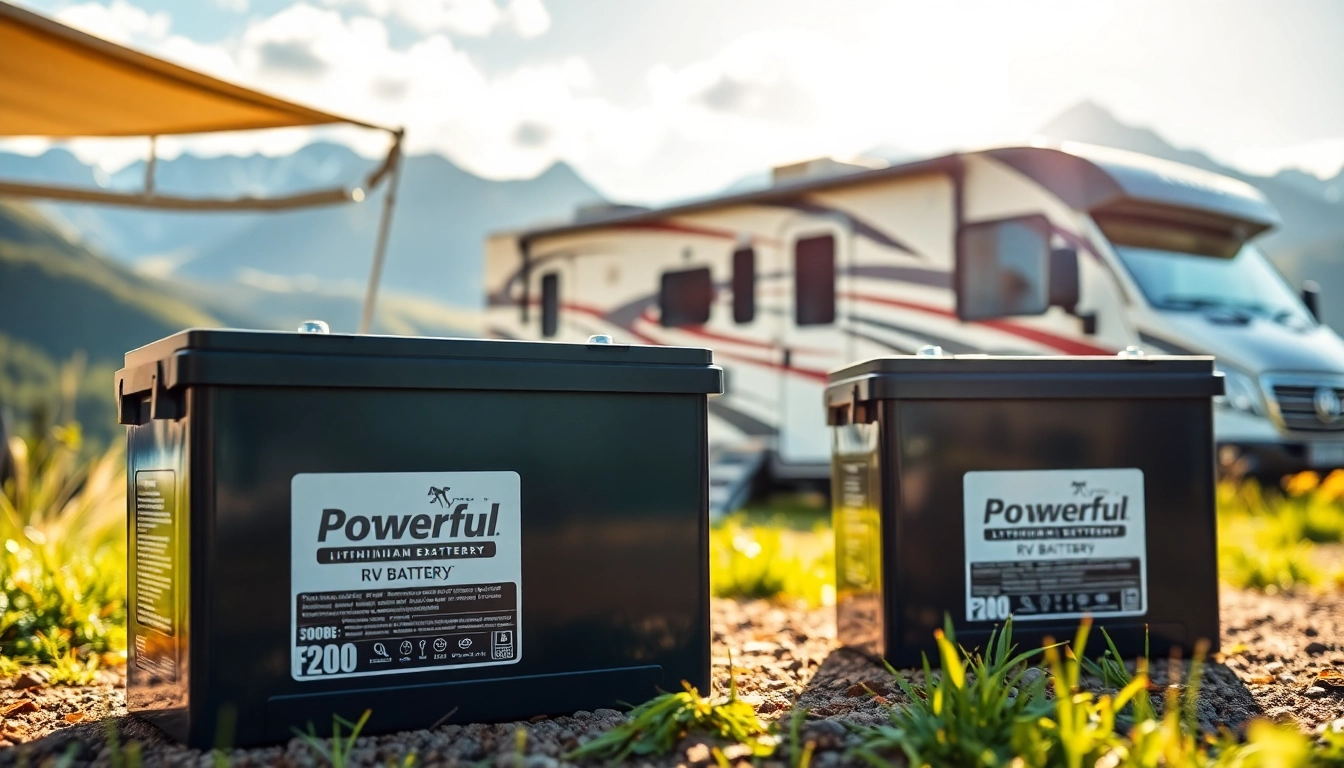
Understanding Lithium RV Batteries
What are Lithium RV Batteries?
Lithium RV batteries are advanced power storage solutions specifically designed for recreational vehicles (RVs). Unlike traditional lead-acid batteries, which have been the go-to option for decades, lithium batteries utilize lithium iron phosphate (LiFePO4) chemistry, offering numerous advantages. These batteries provide reliable, high-energy storage suitable for powering everything from lights to advanced appliances found in modern RVs. A key feature of lithium RV batteries is their ability to deliver up to 80% of their capacity, compared to only 50% for lead-acid batteries.
Why Choose Lithium RV Batteries Over Lead-Acid?
Choosing lithium RV batteries over their lead-acid counterparts boils down to performance, longevity, and efficiency. Lithium batteries typically last up to 10 times longer than lead-acid batteries, with a lifespan of approximately 5,000 cycles compared to 500-1,000 cycles for lead-acid. Furthermore, they charge faster, can be discharged deeper without damage, and are significantly lighter, making them a perfect choice for travelers looking to enhance their RV experience. For more insights into high-performance options, consider exploring lithium RV batteries.
Key Features of Lithium RV Batteries
Several features set lithium RV batteries apart:
- Lightweight Design: They are significantly lighter than lead-acid substitutes, which can positively impact vehicle handling and fuel efficiency.
- Longer Lifespan: They boast a lifecycle that far surpasses traditional options, providing long-term value and reliability.
- High Efficiency: Lithium batteries operate more efficiently, translating to more usable power and reduced energy waste.
- Safety Features: Built-in Battery Management Systems (BMS) manage temperature, voltage, and current, increasing safety and performance.
Benefits of Lithium RV Batteries for RV Enthusiasts
Long Life Cycle and Durability
The longevity of Vatrer Power lithium RV batteries makes them a smart investment. Their impressive life cycle means that users can expect consistent performance year after year, reducing the frequency of replacements and associated costs. The robust design means that environmental factors, such as temperature and humidity, have less impact on their performance compared to lead-acid batteries, which can suffer significant drop-offs under challenging conditions.
Efficiency in Power Usage
Lithium RV batteries excel in power management efficiency. They deliver a higher amount of usable energy, with an efficiency rate of up to 95%. This means less energy waste when storing and using power. They also charge faster, providing significant energy savings, especially for those taking frequent journeys or camping trips where charging resources may be limited.
Weight and Size Advantages
One of the most noticeable benefits of lithium RV batteries is their weight. These batteries can weigh up to 70% less than traditional lead-acid models of the same capacity. This weight reduction frees up valuable space in RVs, allowing for more storage and potentially improving fuel efficiency. The compact size and scalability of lithium batteries make them an excellent option for a range of vehicles from small camper vans to larger motorhomes.
How to Select the Right Lithium RV Batteries
Assessing Your Power Needs
Understanding your power requirements is critical when choosing lithium RV batteries. Start by calculating the total wattage of all your devices and appliances. This calculation will help you determine the correct battery capacity needed to ensure you have sufficient power during your outings. Most experts recommend considering daily usage and factoring in peak draw periods.
Understanding Battery Ratings
Battery ratings such as amp hours (Ah) and voltage are crucial for assessing performance. An amp hour rating indicates the battery’s storage capacity, representing how many amps the battery can deliver over a specified period. For instance, a 100Ah battery can theoretically provide one amp for 100 hours or 10 amps for 10 hours. Understanding these ratings is essential to match the battery’s performance with your RV setup.
Budget Considerations for Lithium RV Batteries
Lithium RV batteries typically represent a higher upfront cost compared to traditional lead-acid batteries. However, considering their longevity and efficiency, they can be more cost-effective in the long run. Set a budget based on potential savings from reduced maintenance, replacement frequency, and energy savings. Always consider potential warranty options, as reputable manufacturers offer extended warranties that further enhance the value proposition of lithium batteries.
Installation and Maintenance of Lithium RV Batteries
Step-by-Step Installation Guide
Installing lithium RV batteries involves several key steps:
- Gather Tools and Materials: Ensure you have all necessary tools including wrenches, screwdrivers, and battery cables.
- Disconnect Old Batteries: Safely remove any existing batteries, noting the wiring configuration.
- Connect New Batteries: Follow the manufacturer’s guidelines to connect the new lithium batteries. Pay attention to polarity—connect positive terminals to positive and negative to negative.
- Double Check Connections: Ensure all connections are secure before re-energizing the system.
- Test Functionality: Once installed, check the system to ensure it functions correctly.
Maintaining Your Lithium RV Batteries
Regular maintenance of lithium RV batteries is generally simple and limited compared to lead-acid counterparts. Keep battery terminals clean and free from corrosion. Regularly check for any abnormal wear or damage to the battery casing. Utilize BMS features to monitor battery health, charge status, and temperature. Furthermore, avoid letting the battery discharge fully, as this can impede its performance and lifespan.
Common Installation Mistakes to Avoid
Common installation pitfalls include improper wiring, failing to secure battery terminals, and neglecting to account for safety measures such as ventilation. Always consult the manufacturer’s instructions and consider hiring a professional if unsure. Mistakes in the installation process can lead to reduced performance and may even void warranties.
Frequently Asked Questions about Lithium RV Batteries
Are lithium batteries worth it for my RV?
Yes, lithium batteries are worth the investment for RV enthusiasts due to their longevity, efficiency, and reduced weight, making them ideal for diverse power needs.
How long will a 100Ah lithium battery last in an RV?
A 100Ah lithium battery can typically last 2-3 days, depending on usage patterns and the power demands of appliances in the RV.
Can I use lithium RV batteries with solar panels?
Yes, lithium RV batteries are compatible with solar panels, maximizing renewable energy use, especially during off-grid adventures.
How do I safely charge lithium RV batteries?
Use a compatible lithium battery charger or solar charging system for safe and efficient charging. Always monitor battery status to prevent overcharging.
What is the average cost of lithium RV batteries?
Prices vary, but 12V 300Ah Lithium Battery typically start around $600 and can go up to $1,500 or more, depending on capacity and technology.