Understanding the Plumbing Landscape in 2026
The plumbing industry is constantly evolving, driven by technological advances, changing consumer preferences, and the urgent need for sustainable solutions. As we move further into 2026, homeowners and businesses alike must stay informed about the emerging trends and innovations that can enhance their plumbing systems. Understanding these elements is crucial for making informed decisions and ensuring reliable and efficient plumbing in our homes and workplaces. For those exploring options for professional plumbing services, fuzzmanta.com provides comprehensive insights into available solutions.
Current Trends and Innovations in Plumbing
In recent years, the plumbing industry has seen a significant transformation, integrating advanced technologies and sustainable practices. Some notable trends include:
- Smart Plumbing Systems: The rise of smart home technology has influenced plumbing, with innovations like leak detection sensors, smart thermostats, and automated faucets becoming more commonplace.
- Water-Efficient Fixtures: With growing awareness of water scarcity, there is a push towards water-efficient fixtures, including low-flow toilets and faucets that reduce water usage without compromising performance.
- Eco-Friendly Materials: Sustainable plumbing solutions are gaining popularity, with many opting for lead-free and recyclable materials in their installations and repairs.
- AI and Predictive Maintenance: The use of artificial intelligence is expanding to predict plumbing issues before they become serious problems, allowing for proactive maintenance and reducing emergency repairs.
Challenges Homeowners Face with Plumbing
Despite advancements in technology and services, homeowners still encounter several challenges related to plumbing, including:
- Outdated Infrastructure: Many homes still rely on old plumbing systems that are prone to leaks, clogs, and inefficiencies.
- Emergency Repairs: Plumbing emergencies can occur unexpectedly, leading to damage and costly repairs if not addressed promptly.
- Finding Qualified Professionals: With numerous options available, homeowners often struggle to identify licensed and experienced plumbers who can deliver quality service.
Importance of Professional Plumbing Services
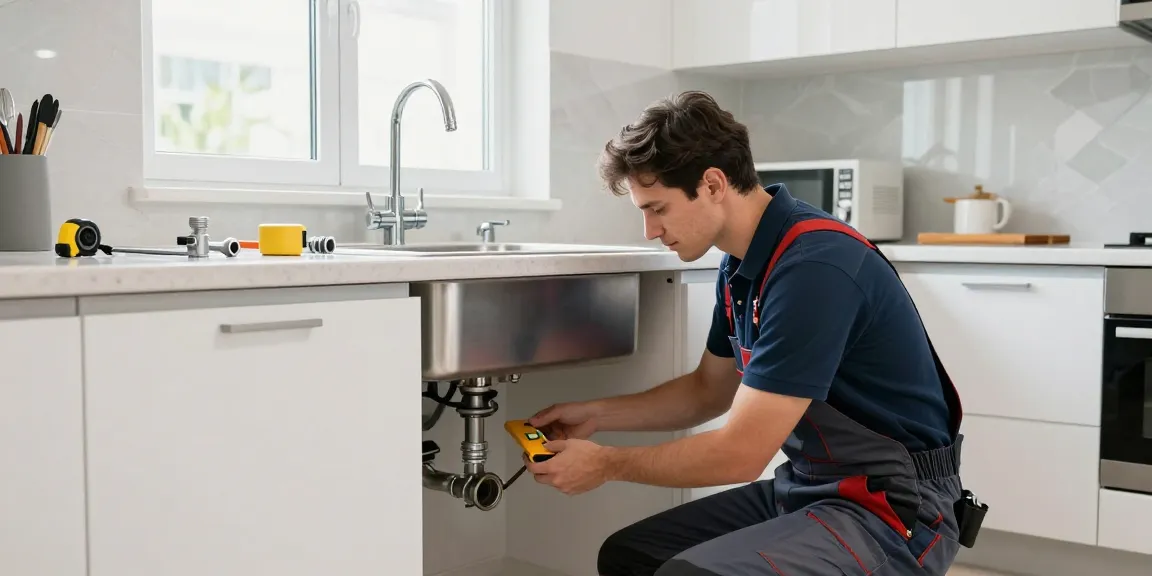
Hiring professional plumbing services is essential for ensuring the longevity and effectiveness of a plumbing system. Experienced plumbers bring expertise, the right tools, and up-to-date knowledge of regulations and industry standards. Additionally, their ability to identify underlying issues quickly can prevent minor problems from escalating into major repairs, saving homeowners both time and money.
Key Plumbing Solutions for Homes and Businesses
Residential Plumbing Needs: From Repairs to Installations
Homeowners require a range of plumbing services, from basic repairs to complete installations. Key services include:
- Leak Repairs: Promptly addressing leaks can prevent structural damage and mold growth.
- Pipe Installation: Whether renovating or building new, professional installation ensures reliability and compliance with local codes.
- Water Heater Services: Regular maintenance and timely repairs are essential for the effective functioning of water heaters.
Commercial Plumbing Solutions for Business Efficiency
Business establishments often have unique plumbing needs due to their size and the volume of use. Efficient plumbing is crucial for minimizing operational downtime. Services tailored for commercial clients include:
- Drain Cleaning: Keeping drains clear is vital for preventing backups that can disrupt operations.
- Fixture Installation: High-efficiency fixtures can help businesses save on water bills and enhance customer satisfaction.
- Routine Maintenance Contracts: Regular inspections and maintenance ensure that plumbing systems operate at peak efficiency.
Emergency Plumbing Services: What You Should Know
Understanding when to call for emergency plumbing services can save homeowners from costly damages. Common scenarios that require immediate attention include:
- Severe Leaks: A sudden, severe leak needs immediate attention to prevent flooding and damage.
- Clogged Drains: If multiple drains are clogged, it may indicate a major issue within the plumbing system.
- Water Heater Failure: Lack of hot water can disrupt daily activities, making it an urgent issue.
Best Practices for Choosing a Plumbing Service
Evaluating Credentials and Experience
When selecting a plumbing service, it's imperative to verify credentials, including licensing and insurance. An experienced plumber should have a proven track record in handling various plumbing issues and should be familiar with the latest technologies and advancements in the field.
Customer Reviews and Testimonials Importance
Customer reviews and testimonials can provide insights into the quality of service provided. Look for companies that demonstrate a strong commitment to customer satisfaction and have positive feedback regarding their skills and professionalism.
Questions to Ask Your Plumber Before Hiring
Before hiring a plumber, consider asking the following questions:
- What is your experience with similar plumbing issues?
- Can you provide references from previous clients?
- What are your rates for service calls, and do you offer estimates?
Steps to Maintain a Reliable Plumbing System
Regular Inspections and Preventive Measures
Routine inspections can identify potential issues before they become major problems. Engage a professional plumber for annual inspections, which can cover:
- Checking for leaks and water pressure issues.
- Inspections of the water heater and other appliances.
- Assessments of pipe integrity and drainage efficiency.
DIY Plumbing Tips for Homeowners
While some plumbing tasks should be left to professionals, homeowners can perform basic maintenance tasks. Consider the following tips:
- Regularly clean drain stoppers and traps to prevent buildup.
- Use enzyme-based cleaners to maintain healthy pipes.
- Monitor water bills for irregular increases, indicating leaks.
Identifying and Fixing Common Plumbing Issues
Knowing how to identify common plumbing problems can save time and money. Some issues include:
- Slow Drains: Often caused by buildup, slow drains can typically be resolved with a plunger or a drain snake.
- Running Toilets: This common issue usually stems from a faulty flapper or fill valve and can often be fixed with minor adjustments.
- Mysterious Odors: Unpleasant smells may indicate drain issues or leaks that need immediate attention.
Future Trends in Plumbing Services
Smart Home Technology Integration in Plumbing
The integration of smart technology into plumbing systems will only continue to grow. Homeowners can expect to see an increase in features such as:
- Smart leak detection systems that send alerts to smartphones.
- Automated systems that optimize water usage based on behavior.
- Remote monitoring and management of plumbing systems.
Eco-Friendly Plumbing Solutions for Sustainability
As sustainability becomes a priority, eco-friendly plumbing solutions will likely dominate the market. Expect innovations such as:
- Greywater recycling systems that reuse water for irrigation
- Rainwater harvesting systems for sustainable water sourcing
- Solar-powered water heaters and energy-efficient appliances
Predictions for Plumbing Services in the Next Decade
Looking ahead, the plumbing industry is positioned for substantial evolution. Key predictions include:
- Increased reliance on digital tools for scheduling and managing plumbing services.
- Greater emphasis on disaster preparedness, with more homeowners opting for comprehensive emergency plans.
- A surge in demand for training and certification programs due to advancing technologies.
What are the most common plumbing issues?
Common plumbing issues include leaks, clogged drains, running toilets, and low water pressure. Each of these problems can disrupt daily life and may indicate underlying issues within the plumbing system.
How often should I have my plumbing inspected?
It is recommended to have a professional plumbing inspection at least once a year to identify potential problems and maintain the health of your plumbing system.
Can I perform plumbing repairs myself?
While some minor plumbing repairs can be handled by homeowners, such as unclogging drains or replacing faucets, it is advisable to consult a professional for more significant issues to avoid further complications.
What qualifications should I look for in a plumber?
Look for licensed professionals who have experience in the specific plumbing tasks you require. Certifications, insurance, and positive customer reviews are also essential indicators of a qualified plumber.
How can I choose the right plumbing service for my needs?
Evaluate potential plumbing services based on their credentials, customer feedback, and range of services offered. Asking for quotes and consulting with previous clients can help you make an informed decision.