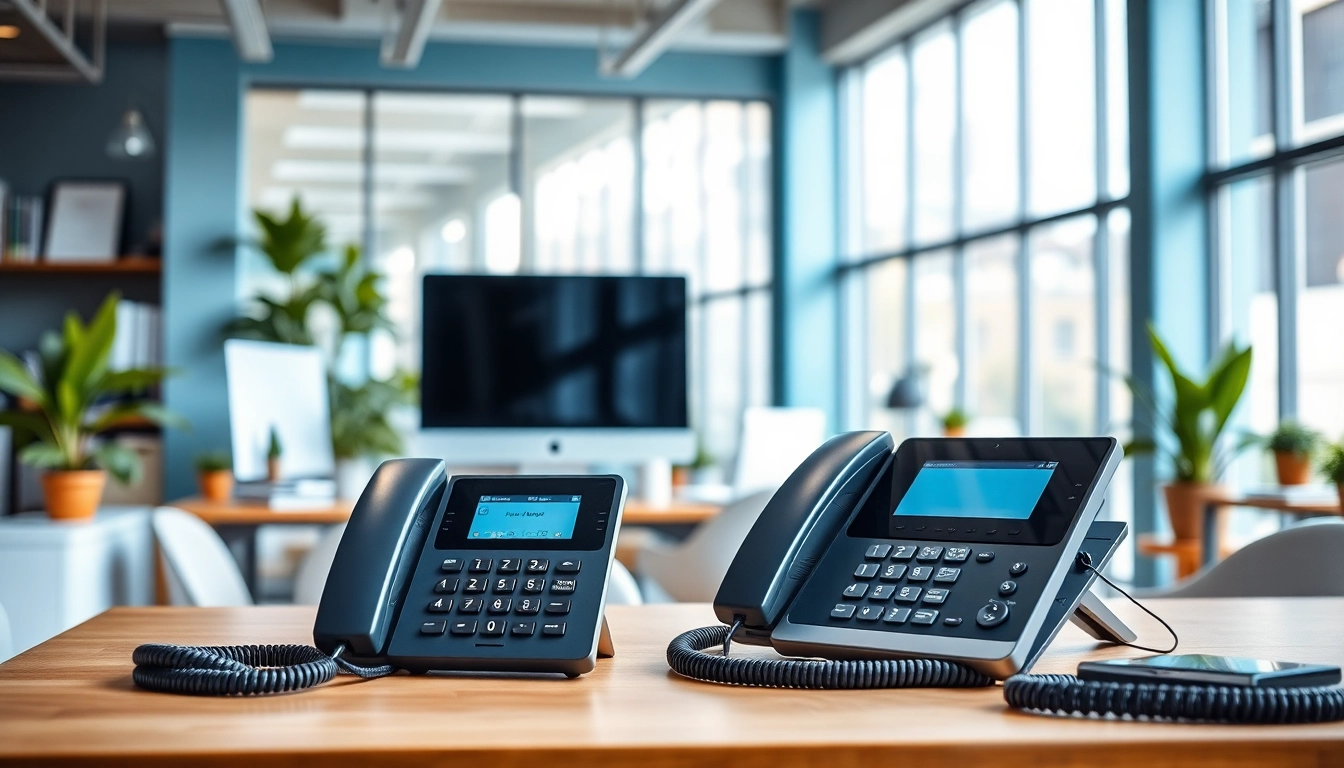
Understanding Office Phone Systems
Definition of Office Phone Systems
Office phone systems refer to integrated communications solutions designed for businesses to manage inbound and outbound calls efficiently. These systems serve as a backbone for effective communication, enabling seamless connectivity among employees, clients, and customers. Modern office phone systems might also include functionalities like voicemail, call forwarding, and conferencing, making them essential for today's dynamic work environments. By leveraging technology, businesses can enhance collaboration, improve workflow, and ensure that no call goes unanswered. For a comprehensive understanding and implementation of office phone systems, you can explore office phone systems to find solutions that suit your requirements.
Types of Office Phone Systems
There are several types of office phone systems available, each with distinct features tailored to meet varying business needs:
- Traditional Landline Systems: These are the conventional phone systems that operate through telephone lines. They are reliable but typically come with limited features.
- VoIP Systems: Voice over Internet Protocol (VoIP) converts voice into digital signals, allowing calls to be made over the internet. This system is cost-effective and offers advanced features.
- Private Branch Exchange (PBX): A PBX system manages incoming and outgoing calls within an organization and connects multiple lines, enabling internal communication.
- Hosted Phone Systems: In this cloud-based solution, the phone system is hosted externally, reducing infrastructure costs and providing scalability options.
- Unified Communications Systems: They integrate multiple communication methods such as voice, video, messaging, and collaboration tools into a single platform.
Key Features to Look For
When selecting an office phone system, it's important to consider certain key features to ensure it meets your organizational demands:
- Auto Attendant: Automatically responds to incoming calls and helps direct them to the appropriate extension.
- Call Forwarding: Redirects calls to different numbers based on availability, ensuring that calls are always answered.
- Voicemail to Email: Converts voicemail messages to emails, allowing busy workers to stay updated even when away from their desks.
- Conference Calling: Facilitates collaboration by allowing multiple participants to join a call, which is essential for team meetings and discussions.
- Mobile Integration: Connects office phone systems with mobile devices, enabling employees to receive calls on their smartphones, thereby enhancing flexibility.
Benefits of Implementing Office Phone Systems
Cost Efficiency and Savings
A significant advantage of modern office phone systems, especially those that utilize VoIP technology, is cost-effectiveness. By reducing long-distance call costs and eliminating the need for extensive wiring, businesses can save substantially on their telecommunication expenses. Additionally, many providers offer scalable pricing plans, meaning companies only pay for the services they need, allowing for budget flexibility.
Increased Productivity
Office phone systems enhance productivity through various features such as call routing, voicemail, and automated responses. With effective call management, employees can focus on their core tasks without the distraction of missed calls or time-consuming manual call handling. Collaboration tools integrated into modern systems allow teams to communicate more efficiently, leading to quicker decision-making and improved workflow.
Improved Customer Experience
Customer satisfaction heavily relies on effective communication. Office phone systems equipped with features like auto attendants and quick response mechanisms ensure that customer inquiries are handled promptly. Enhanced tracking and reporting features also enable businesses to analyze call patterns and customer interactions, leading to improved service delivery and a better understanding of customer needs.
Choosing the Right Office Phone Systems
Assessing Your Business Needs
Before committing to an office phone system, it’s crucial for businesses to assess their specific communication requirements. This involves understanding factors such as the number of users, the volume of calls, and necessary features. Conducting a thorough analysis helps in selecting a system that can accommodate growth and evolving business needs, ensuring a sound investment in the long run.
Integrating with Existing Infrastructure
The ability to integrate a new phone system with existing IT and telecommunications infrastructure is a critical consideration. Ensuring compatibility with software applications, hardware, and current network setups can streamline operations and facilitate a smooth transition. Businesses should work closely with vendors to evaluate integration options and avoid disruptions during the implementation phase.
Vendor Comparison and Selection
Selecting the right vendor for office phone systems involves comparing features, costs, customer support, and user reviews. A vendor's proven track record in the industry is also a vital consideration. It’s advisable to request demos and trials from potential vendors, allowing for hands-on evaluations that can help in determining the best fit for your organization's telecommunication needs.
Best Practices for Office Phone Systems Management
Regular Maintenance and Upgrades
To ensure the longevity and effectiveness of office phone systems, businesses should implement regular maintenance schedules. This includes checking hardware, updating software to the latest versions, and upgrading system features as needed. Such practices help mitigate technical issues, enhance system performance, and ensure that the latest security protocols are being followed.
Employee Training and Support
Proper training on how to effectively use office phone systems is essential for maximizing their benefits. Employees should be equipped with the knowledge to utilize all available features—such as conferencing tools or voicemail functions—to enhance their productivity. Additionally, providing ongoing support and resources can help address any challenges staff may encounter, ensuring a smooth operational flow.
Optimization for Remote Work
As remote work becomes increasingly prevalent, optimizing office phone systems for remote access is crucial. This includes ensuring that employees can easily connect to the office system from their home offices or mobile devices. VoIP technology and mobile integration features help facilitate this transition, allowing teams to stay connected regardless of location, thereby maintaining productivity and communication standards.
Measuring the Performance of Office Phone Systems
Key Performance Indicators
Regularly measuring the performance of office phone systems is essential for assessing efficiency and effectiveness. Key performance indicators (KPIs) to consider include call volume, first call resolution rate, average hold time, and customer satisfaction scores. These metrics provide insights into system performance and can highlight areas needing improvement or adjustment.
Gathering User Feedback
User feedback is invaluable for understanding the efficacy of the phone system. Businesses should routinely solicit input from employees and customers regarding their experiences. Such insights can lead to immediate fixes for minor issues or guide future enhancements and upgrades, contributing to a more refined communication system.
Continuous Improvement Strategies
Adopting a culture of continuous improvement ensures that office phone systems evolve with changing business needs and technology advancements. Regular reviews of performance data, user feedback, and emerging trends can inform strategy adjustments. Implementing updates in features, technology, and user training can elevate the communication experience across the organization.
Frequently Asked Questions
What are the key differences between VoIP and traditional landline systems?
VoIP systems use the internet for calls, providing greater flexibility and advanced features, while traditional landlines rely on physical telephone lines and usually offer fewer functionalities.
How can I determine the best office phone system for my business?
Assess your business size, call volume, essential features, and budget, then compare various vendors to find a system that aligns with your needs.
Are office phone systems scalable for growing businesses?
Yes, many modern office phone systems are scalable, allowing businesses to add or remove lines and features as their needs change without major disruptions.
What features should I prioritize in an office phone system?
Key features to consider include call routing, voicemail-to-email, mobile integration, and conference calling capabilities to enhance connectivity and efficiency.
How important is training for using office phone systems?
Training is critical to maximize the use of features, improve employee productivity, and ensure smooth communication within the organization.
Contact Information
Address:Fareham Innovation Centre, PO13 9FUEmail Us:[email protected]Call Us:0333 015 2615