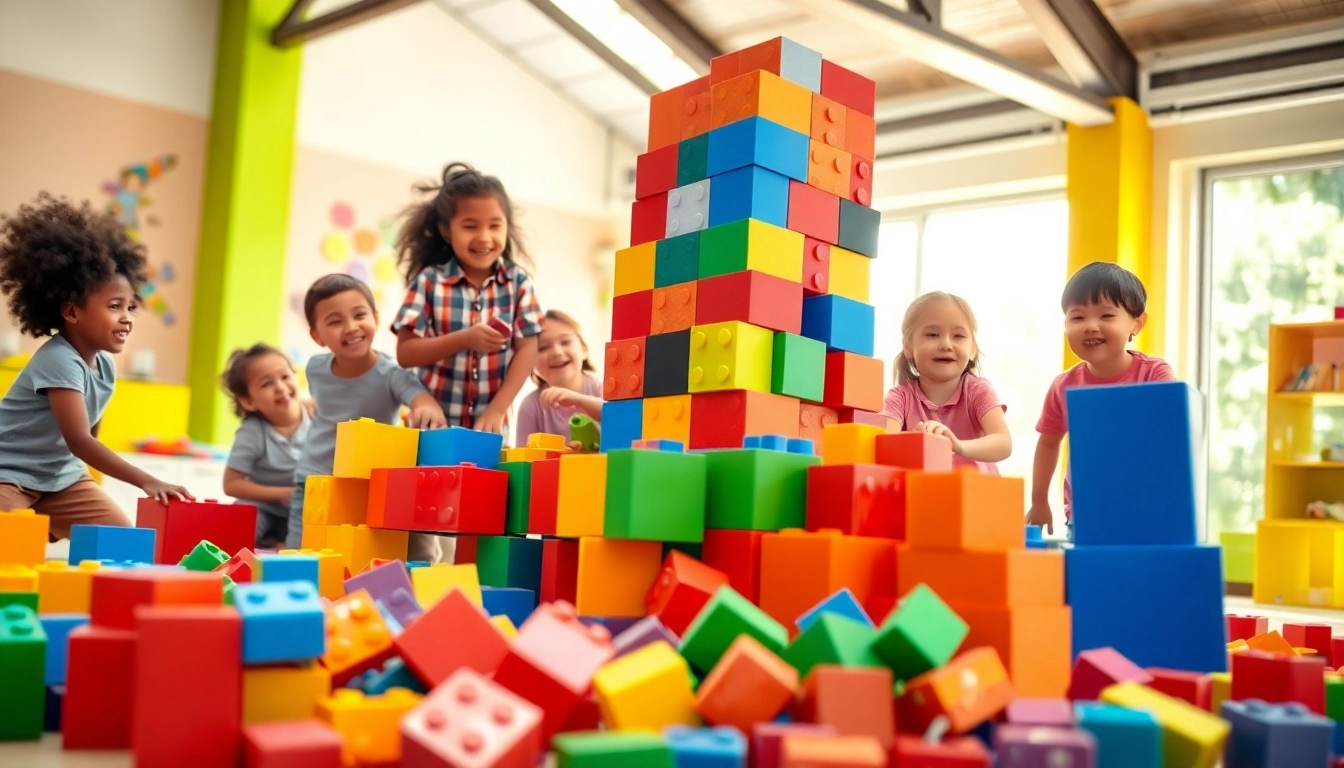
Introduction to Giant Building Blocks
Giant building blocks are an engaging and versatile tool for indoor play that stimulate children's creativity and imagination. These oversized building blocks come in various shapes and colors and can be used for countless construction projects, from simple towers to complex cities. They not only entertain but also serve as powerful learning tools in various educational contexts. To dive deeper into the fascinating world of giant building blocks, discover more about their benefits and how they enhance playtime.
What are Giant Building Blocks?
Giant building blocks are large, lightweight, and colorful building pieces designed for children to manipulate and assemble. They are often made from foam or soft plastic, ensuring safety during play. The blocks come in various sizes, from giant cubes to rectangular prisms and even triangular shapes, allowing for diverse construction possibilities. These blocks encourage children to use their motor skills, spatial reasoning, and cognitive abilities while engaging in playful activities.
Benefits of Building Play
Building play has numerous developmental benefits for children, encompassing physical, cognitive, and social domains. Through manipulating giant blocks, children strengthen their fine and gross motor skills. The act of stacking, balancing, and arranging blocks enhances hand-eye coordination and dexterity.
Cognitively, building activities promote problem-solving and critical thinking. Children learn to visualize their creations and execute plans, fostering a sense of accomplishment when they succeed. Socially, collaborative building encourages teamwork, communication, and sharing, helping kids learn to work together harmoniously as they build larger structures.
Choosing the Right Size and Shape
When selecting giant building blocks, size and shape play a crucial role in the type of play experiences they offer. Larger blocks can help younger children engage in more straightforward building and facilitate safe interaction, while smaller, more intricate pieces encourage older kids to experiment with complex designs. It's important to create a diverse collection of shapes, such as cubes, cylinders, and panels, to stimulate creativity and challenge children’s architectural skills.
Safety Considerations for Indoor Play
While giant building blocks can provide hours of fun and educational opportunities, safety is paramount when it comes to indoor play. Ensuring a safe environment allows children to explore and enjoy their creativity without the risk of injury.
Material Safety Standards
When purchasing giant building blocks, always check that they comply with safety standards set by industry regulatory bodies. Opt for blocks made from non-toxic, BPA-free plastic or soft foam materials. These materials not only reduce the risk of injury but also provide reassurance to parents about their children’s health and safety during play.
Safe Play Areas
Creating designated play areas can significantly minimize hazards. If possible, ensure that the floor is covered with soft mats or carpet to cushion any falls. Clear the area of sharp objects or furniture that could cause injury, allowing children to concentrate on their building activities. Having a clutter-free environment enhances focus and promotes safe play.
Supervision Guidelines
Active supervision is essential when children are playing with giant building blocks. Adults should be nearby to oversee activities and intervene if necessary. It's important to teach children to play safely and be aware of their surroundings, especially when they work in groups. This instructional aspect not only enhances safety but also instills responsibility in the children.
Creative Building Ideas
Giant building blocks open up an expansive world of creativity. Whether they’re creating simple structures or participate in themed construction challenges, there are countless possibilities for imaginative play.
Theme-Based Structures
Theme-based building encourages children to conceptualize structures within specific contexts, such as building a castle, a spaceship, or a zoo. This approach ignites their imagination and provides a framework for collaborative storytelling. Kids can dress up as characters from the theme, enhancing both the creativity and entertainment value of their constructs.
Collaborative Projects
Encouraging children to work together on building projects fosters teamwork and community feelings. Assigning specific roles within a group project, such as architect, builder, or designer, allows children to experience different aspects of teamwork while constructing something larger than themselves. This practice not only promotes cooperation but also develops communication skills as they discuss ways to achieve their shared vision.
Building Challenges
Turn building into an exciting challenge by presenting tasks that require time limits or specific building criteria. Examples might include creating the tallest tower in five minutes, building a bridge that can hold the most weight, or constructing a house using a specific number of blocks. These challenges stimulate critical thinking and problem-solving while making playtime dynamic and engaging.
Incorporating Learning Through Play
Giant building blocks are not merely toys; they are significant educational tools that support learning outcomes across multiple subjects.
STEM Learning with Blocks
Building blocks naturally lend themselves to STEM (Science, Technology, Engineering, and Mathematics) learning. Engaging children in activities that explore balance, symmetry, and engineering principles offers hands-on experience and intuitive understanding of these concepts. For instance, talking about why certain structures collapse while others stand can lead to discussions about weight distribution and materials science.
Imaginative Play Techniques
Imaginative play is critical to child development, and giant building blocks serve as the perfect medium for this. Encourage children to act out scenarios as they build, allowing them to immerse themselves in their creations fully. This pretend play fosters narrative skills and emotional development as they explore different roles and storylines in their building environments.
Language Development Opportunities
As children engage in collaborative projects, they practice verbal communication and vocabulary in a playful context. Building blocks provide a rich backdrop for expanding language skills through shared play discussions, which often involve describing actions, negotiating ideas, and solving problems. Encouraging storytelling while they build can lead to broader language exposure and development.
Maintenance and Care for Giant Building Blocks
To ensure giant building blocks remain safe and enjoyable, proper maintenance and care are essential. Establishing a routine cleaning and inspection process helps prolong the lifespan of the blocks and keeps them healthy for children.
Cleaning and Sanitizing
Regular cleaning is crucial to maintain hygiene, especially when multiple children are playing with the same blocks. Use mild soap and water to wipe down surfaces regularly, and sanitize blocks every so often, especially if they’ve been exposed to germs or dirt. Ensure that any cleaning agents used are safe to mitigate health risks.
Storage Solutions
Having a dedicated space for storing giant building blocks can help keep play areas organized. Use bins or shelves that are easily accessible for children. Not only does a storage solution encourage tidy play habits, but it also gives children ownership and pride over their play materials.
Repairing Damaged Blocks
Over time, some blocks may become damaged due to wear and tear. Inspecting the blocks regularly for any wear or cracks can help identify issues early. For soft foam blocks, simple repairs such as patching or using tape can extend their life. For plastic blocks, utilizing strong adhesive or replacement parts may be necessary to ensure safety during play.
Conclusion
Giant building blocks are far more than just oversized toys—they serve as fundamental tools for learning, creativity, and social interaction. By providing children with opportunities to explore their imagination and collaborate with peers, parents and caregivers can cultivate an enriching play environment that supports development across multiple domains. Through thoughtful selection, safe practice, and consistent maintenance, giant building blocks offer endless possibilities for fun and educational adventures.
FAQs
What age group are giant building blocks suitable for?
Giant building blocks are typically designed for children aged 2 and up, with options tailored for various developmental stages.
Are giant building blocks safe for indoor play?
Yes, when made from quality materials, giant building blocks are safe for indoor play, especially if used in designated play areas with supervision.
How do I clean giant building blocks?
Use mild soap and water to clean giant building blocks, and occasionally sanitize them to keep them hygienic, especially after group play.
Can giant building blocks help with learning?
Absolutely! Giant building blocks support STEM learning, language development, and imaginative play, making them versatile educational tools.
Where should I store giant building blocks?
Store giant building blocks in bins or on shelves to keep them organized and easily accessible for children, fostering tidy play habits.