Understanding Restaurant Ambiance
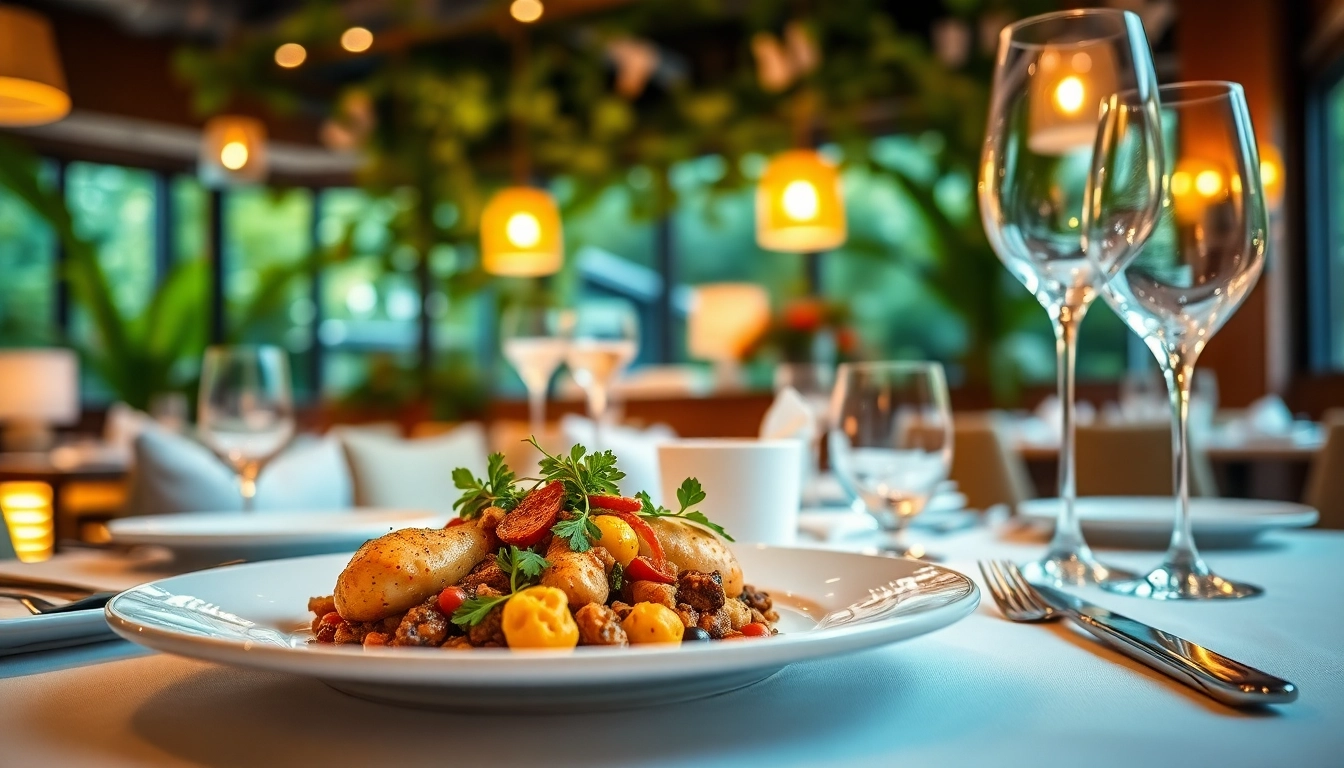
The ambiance of a restaurant plays a critical role in shaping customer experiences. The right environment can set the mood for a dining experience, enhance menu offerings, and ensure repeat visits. To create an inviting atmosphere, restaurants must consider various factors that influence how patrons perceive their dining experience. The layout, lighting, décor, and even the choice of music can culminate in an unforgettable impression that keeps customers returning. For example, restaurants can harness the digital age's advantages by exploring slot to plan their settings better.
Elements of an Inviting Environment
Several elements harmonize to create an inviting environment in restaurants. Key aspects include color schemes, furniture selection, and decorative details. Bright colors may stimulate appetite, while softer hues can evoke calmness. Furniture should combine comfort with style, allowing guests to relax during meals. Incorporating natural elements such as plants can enhance vitality. It’s also vital to maintain cleanliness, as a tidy environment fosters a sense of quality and care that patrons expect.
Role of Lighting in Dining Spaces
Lighting is perhaps one of the most impactful elements in restaurant design. The type, intensity, and ambiance of lighting can completely transform the dining experience. Bright lights are suitable for casual eateries and fast food joints, where quick service can be prioritized. Conversely, soft, dim lighting fosters an intimate atmosphere, making it perfect for high-end dining. Layers of light are essential—incorporating ambient, task, and accent lighting can create a dynamic and adaptable atmosphere suitable for various dining situations.
Creating a Comfortable Layout
Comfort goes beyond aesthetic appeal; it includes spatial planning that ensures ease of movement and interaction. A well-designed layout allows for unobstructed flow between tables and from the kitchen to patrons. Adequate space between tables permits conversations without intrusion and minimizes noise. Offering various seating options—like booths, tables, and private areas—adds to the comfort, catering to different preferences and dining parties.
Crafting Your Menu for Customer Satisfaction
The menu is the heart of any restaurant. It must reflect the brand's essence and cater to customers' tastes and preferences. A well-thought-out menu can elevate the dining experience, entice new customers, and satisfy repeat diners. A thorough understanding of your target audience will assist you in this endeavor, ensuring you present offerings that resonate with their expectations. It is also essential to use tools like menu engineering to determine pricing strategies and dishes that should be highlighted.
Importance of Seasonal Ingredients
Utilizing seasonal ingredients not only enhances flavor but also establishes a connection between the dish and its origin. Seasonal produce generally tastes better and is more nutritious, which can be exhibited through fresh menu items that change quarterly or monthly. Moreover, using local ingredients reduces food costs and demonstrates sustainable practices, appealing to eco-conscious consumers eager to support local farmers.
Balancing Flavors and Presentation
A successful menu offers a sensory experience comprising both taste and visual appeal. Balancing flavors is crucial—ensuring sweet, salty, bitter, and umami elements work harmoniously can elevate a dish. Likewise, presentation should be an art form that reflects the restaurant's identity, using colors, textures, and plating techniques to create visually stunning dishes that entice customers at first glance.
Adapting to Dietary Needs and Trends
As diners increasingly seek healthier options, it’s essential to accommodate various dietary needs, such as vegetarian, vegan, gluten-free, or low-carb diets. Understanding these evolving trends allows restaurants to broaden their customer base. Moreover, providing clear labeling on menus and offering customizable items can satisfy diverse preferences while enhancing customer satisfaction.
Marketing Strategies for Your Restaurant
No matter how exquisite your offerings are, effective marketing is vital to attract customers. Today’s restaurant landscape necessitates innovative strategies that connect with communities through engaging content, promotions, and partnerships. Social media has become an indispensable tool that helps amplify brand presence and reach new customers.
Utilizing Social Media Effectively
Social media platforms allow restaurants to engage with customers like never before. Developing a content strategy that showcases daily specials, behind-the-scenes preparations, and customer interactions can foster a sense of community. Visual platforms like Instagram are especially effective, where captivating food photography can seduce potential diners. Furthermore, responding promptly to customer queries and reviews can build a positive reputation and enhance brand loyalty.
Building Customer Loyalty Programs
Creating and promoting customer loyalty programs incentivizes repeat visits and encourages larger purchases. Offering points for purchases, exclusive discounts, or freebies can turn occasional diners into loyal customers. Personalizing these programs based on dining history allows for targeted promotions, maximizing their effectiveness and enhancing customer satisfaction.
Engaging Community Events and Partnerships
Establishing connections with local organizations fosters a sense of belonging. Hosting community events or partnering with local businesses can boost visibility and brand loyalty. Whether sponsoring a farm-to-table dinner or participating in neighborhood events, these initiatives not only promote goodwill but also attract new patrons eager to engage with their local culinary scene.
Enhancing Customer Experience
Delivering outstanding customer experience requires a multi-faceted approach that encompasses staff interactions, feedback collection, and unique dining experiences. Each element plays an integral role in creating an inviting atmosphere and fostering customer satisfaction.
Staff Training and Customer Interactions
The restaurant staff serves as the backbone of customer engagement. Proper training ensures that employees are equipped with knowledge about menu items, customer service etiquette, and conflict resolution techniques. Engaging positively with patrons can create memorable experiences. Encouraging staff to showcase their personalities and highlight their specialties creates a welcoming atmosphere that diners appreciate.
Collecting and Implementing Feedback
Feedback channels—including comment cards, online reviews, and direct communication—are essential for gauging customer satisfaction. Implementing changes based on collected feedback not only improves the menu and service but also showcases a commitment to customer needs, reinforcing trust and loyalty amongst patrons.
Providing Unique Dining Experiences
Catering to customers’ desires for unique experiences can differentiate your restaurant in a crowded market. From interactive dining options to themed events, creating memorable experiences makes dining more than just a meal. Consider offering chef's tables, wine pairings, or cooking classes, enhancing the overall concept and elevating customer engagement.
Measuring Success in the Restaurant Industry
When navigating the competitive restaurant landscape, understanding performance metrics is crucial for long-term success. Tracking various indicators can provide insights into customer satisfaction, operational efficiency, and profitability, allowing managers to make informed decisions.
Tracking Customer Satisfaction Metrics
Monitoring customer satisfaction metrics, such as Net Promoter Scores or online review ratings, assists restaurants in understanding their standing in the marketplace. Conducting regular surveys allows operators to gauge dining experiences accurately, addressing areas that may require improvement. Over time, this creates a feedback loop that continually enhances service quality.
Utilizing Sales Data for Improvement
Sales data reveals trends that are pivotal for operational decision-making. Analyzing best- and worst-selling items informs menu adjustments, while monitoring peak dining times aids in staffing decisions. Understanding these patterns helps streamline operations, maximizing both efficiency and profitability as resources are allocated more effectively.
Future Trends and Innovations in Dining
Lastly, staying abreast of industry trends and innovations is critical for sustaining competitive advantage. Emerging trends, such as plant-based dining, technology integration (like QR menu systems), and sustainable practices, exhibit changing consumer behaviors and preferences. Restaurants that adapt proactively to evolving trends can position themselves as leaders in the dining landscape, attracting customers seeking fresh culinary experiences.
Frequently Asked Questions
How important is restaurant ambiance?
Restaurant ambiance significantly affects customer experiences, influencing their mood and overall satisfaction. A well-designed environment encourages repeat visits.
What role do seasonal ingredients play?
Using seasonal ingredients enhances flavor, promotes sustainability, and can often reduce costs, driving customer interest in your menu.
How can social media help restaurants?
Social media enhances visibility and customer engagement, allowing restaurants to share content effectively, promote specials, and build community connections.
What is the best way to gather customer feedback?
Utilizing comment cards, online surveys, and direct communication encourages customers to share their experiences and help drive improvements.
Why are unique dining experiences essential?
Unique dining experiences differentiate your establishment, fostering memorable interactions that encourage customer loyalty and positive reviews.