
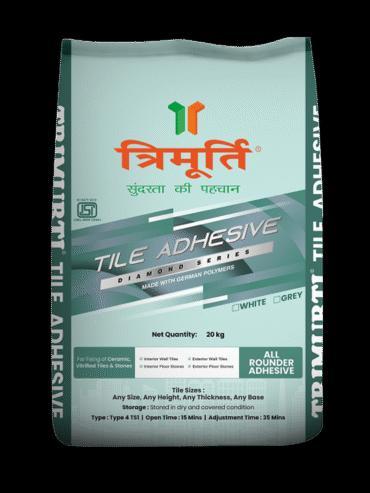
Tile installation plays an important role in creating durable, attractive, and functional surfaces for residential and commercial spaces. Selecting the right tile fixing adhesive helps ensure strong bonding, better stability, and a long-lasting finish. Proper planning and quality materials are essential for achieving professional results.
A successful tile installation process depends on several factors, including surface preparation, material selection, and correct application techniques. Understanding these elements helps create smooth finishes that maintain their appearance and strength over time.
Importance of Proper Tile Installation
Reliable tile installation requires more than simply placing tiles on a surface. The process involves careful preparation, accurate alignment, and suitable bonding solutions to achieve lasting performance.
A well-executed installation improves the durability of tiled surfaces and reduces the chances of common issues such as cracks, uneven placement, or loose tiles. Proper techniques also enhance the overall appearance of interiors.
Essential Steps for Achieving Professional Tile Results
A successful tile installation process involves multiple stages that improve bonding strength, appearance, and durability. Each stage must be completed carefully to achieve consistent results.
1. Surface Preparation Before Installation
Preparing the surface is the foundation of a successful tile installation. The area should be clean, smooth, and free from dust or uneven patches. Proper preparation improves bonding and helps prevent future installation problems.
2. Selecting Suitable Bonding Materials
Choosing the right bonding material directly affects the strength of the installation. High-quality materials provide better grip and support between the tile and surface. They also improve resistance against movement and environmental conditions.
3. Accurate Tile Placement
Correct tile placement creates a balanced and professional finish. Proper spacing and alignment improve visual appeal while maintaining structural stability. Careful installation techniques help prevent uneven surfaces and alignment issues.
4. Proper Application Technique
Applying bonding materials correctly ensures better contact between tiles and surfaces. Even application improves strength and reduces the possibility of gaps. Professional handling helps achieve a cleaner and more durable result.
5. Grouting for Better Finishing
Grouting completes the tile installation process by filling spaces between tiles. It improves appearance while protecting edges from moisture and dirt. Proper grout application also enhances the overall lifespan of tiled surfaces.
6. Final Inspection and Maintenance Planning
A final inspection helps identify minor issues before project completion. Checking alignment, finishing, and surface quality ensures better results. Regular maintenance after installation helps preserve the appearance and performance of tiles.
Material Selection for Strong Tile Performance
Selecting suitable materials plays an important role in achieving reliable tile installations. Different surfaces and environments require products that provide strength, flexibility, and durability.
The right materials help improve bonding performance and create a stable finish. Professionals often consider factors such as surface type, tile size, and usage conditions before choosing installation solutions.
Quality materials also support better results when working with different tile applications. The use of adhesive tile solutions allows improved flexibility and reliable attachment for various interior and exterior surfaces.
Choosing appropriate products reduces maintenance requirements and supports long-term performance. Careful material selection ensures that tiles remain secure while maintaining their visual appeal.
Factors That Influence Tile Installation Quality
Several factors determine the final quality of a tile installation project. Understanding these aspects helps professionals and homeowners achieve better durability and finishing results.
1. Surface Condition
The condition of the installation surface affects bonding strength and overall performance. Uneven or damaged surfaces can reduce installation quality and may lead to future repairs.
2. Tile Selection
Different tiles have different requirements based on size, thickness, and application area. Selecting suitable tiles ensures better compatibility with installation methods and improves durability.
3. Environmental Conditions
Temperature and moisture levels can influence tile performance. Considering environmental factors helps choose suitable materials and techniques for long-lasting results.
4. Installation Expertise
Professional skills play an important role in achieving accurate placement and finishing. Experienced installers can manage complex requirements and deliver better-quality outcomes.
5. Product Compatibility
Using compatible installation materials improves bonding and reduces performance issues. Proper product selection ensures that different components work effectively together.
Benefits of Professional Tile Installation Solutions
Professional tile installation provides better durability, accuracy, and finishing quality. Proper methods help create surfaces that remain stable and attractive while reducing the chances of frequent repairs.
A skilled approach ensures that materials are used correctly and tiles are installed with proper alignment. This improves the overall appearance and performance of floors, walls, and other tiled areas.
Reliable installation solutions also support long-term value by improving surface strength. Using quality materials such as adhesive tile products helps maintain better bonding and reduces issues caused by movement or regular wear.
Common Considerations for Better Tile Finishing
Achieving a smooth tile finish requires attention to several important aspects. Considering these points during planning helps improve installation quality and ensures better long-term performance.
● Surface preparation
● Material quality
● Correct application method
● Proper alignment
● Regular maintenance
These considerations help create strong and visually appealing tiled surfaces. Following the right installation practices improves durability and ensures better results for different types of projects.
Long-Term Maintenance of Tiled Surfaces
Proper maintenance helps preserve the appearance, strength, and functionality of tiled surfaces after installation. Regular cleaning, careful handling, and timely attention to minor issues prevent damage and help maintain the quality of the finish for a longer period. Routine inspections also help identify problems such as loose tiles, damaged grout lines, or moisture concerns before they become major issues.
Maintaining tiled areas protects the investment made during installation. Using suitable cleaning methods and following proper care practices helps retain the original look while supporting long-term performance. Consistent maintenance ensures that tiled surfaces remain durable, attractive, and reliable for years.
Conclusion
Reliable tile installation requires proper preparation, suitable materials, and accurate techniques to achieve durable and attractive finishes. From selecting the right bonding solutions to maintaining completed surfaces, every step contributes to better performance and improved appearance.
For dependable construction solutions, many professionals rely on quality materials offered by Trimurti Products to support efficient installation and finishing requirements. Products such as Trimurti tile grout help achieve refined results by improving surface finishing and providing reliable support for long-lasting tile applications.