The Rise of Mindfulness in Wellness Practices
In recent years, mindfulness has emerged as a key player in the wellness arena, resonating deeply with individuals seeking balance and tranquility amid the chaos of modern life. As the pace of daily living accelerates, more people are embracing mindfulness practices to cultivate a sense of calm and presence. This transformation is supported by growing research highlighting the mental and emotional benefits of mindfulness, prompting an integration into various wellness practices. When exploring options, mantra88 provides comprehensive insights into how mindfulness can reshape our daily lives.
Understanding Mindfulness: What It Really Means
Mindfulness is more than just a buzzword; it represents a state of being where an individual maintains a moment-by-moment awareness of thoughts, feelings, bodily sensations, and the surrounding environment. This practice, which has roots in ancient meditation techniques, encourages individuals to observe their experiences without judgment. Defining mindfulness involves grasping its core principles: intention, attention, and attitude. By setting intentions to be more present, focusing attention on the current moment, and adopting a non-judgmental attitude, practitioners can experience significant benefits that extend beyond mere relaxation.
Integrating Mindfulness into Daily Routines
Incorporating mindfulness into daily life requires intentional effort and creativity. It can begin with simple steps, such as dedicating a few minutes each day to mindful breathing or employing techniques like body scans to enhance bodily awareness. Mindful eating, where individuals focus on the taste, texture, and aroma of their food, is another effective strategy. Additionally, setting aside specific times for mindfulness practice—such as morning meditations or evening reflections—can aid in establishing consistency and creating a stable routine. By infusing mindfulness into daily activities, individuals can transform mundane moments into opportunities for growth and reflection.
Popular Mindfulness Techniques and Their Benefits
Several mindfulness techniques have gained popularity due to their accessibility and effectiveness. Techniques such as mindfulness meditation, where practitioners focus their attention on a single point—like their breath—help to cultivate a quiet mind. Another method, loving-kindness meditation, emphasizes compassion towards oneself and others, fostering an emotional connection with the world. The benefits of these practices are well-documented, ranging from reduced anxiety and improved focus to heightened emotional resilience. By regularly engaging in these techniques, individuals can cultivate a deeper connection with their inner selves and enhance their overall wellbeing.
The Influence of Technology on Wellness Trends
The intersection of technology and wellness has transformed how people engage with mindfulness practices. The advent of apps and digital platforms dedicated to meditation and mindfulness has made these practices more accessible than ever. With the capability to provide personalized experiences, guided meditations, and progress tracking, technology bridges the gap between ancient practices and contemporary lifestyles.
Digital Tools for Meditation and Mindfulness
Numerous applications are designed to cater to varied mindfulness needs, offering everything from timed meditation sessions to sleep aids that incorporate soothing sounds and guided imagery. Apps like Headspace and Calm lead the charge, providing users with tools to foster mindfulness in their everyday lives. Their versatility allows practitioners to choose their meditation length, focus areas, and styles, all tailored to individual preferences and schedules.
Wearable Technology: Tracking Your Wellness Goals
Wearable technology is another exciting development in the wellness landscape, equipping individuals with tools to monitor their physical activity, sleep patterns, and even stress levels. Devices such as Fitbits and Apple Watches come equipped with features that encourage mindfulness through reminders to breathe, stand, or take a moment for reflection. These devices not only track physical metrics but also facilitate a mindful lifestyle by promoting awareness and encouraging healthier choices throughout the day.
Virtual Wellness Communities for Support
The rise of virtual wellness communities has allowed individuals to connect over shared mindfulness goals. Platforms such as Insight Timer feature community-driven discussions, guided meditations, and group challenges that foster accountability and motivation. These virtual spaces provide an opportunity for like-minded individuals to share experiences, insights, and support each other in their mindfulness journeys, regardless of geographical barriers.
Holistic Approaches to Wellness Through Mantra88
Holistic wellness practices emphasize the interconnectedness of the body, mind, and spirit, moving beyond conventional medicine to embrace a more comprehensive approach. By incorporating mindfulness techniques such as those found in mantra88, individuals can explore a variety of holistic modalities designed to enhance overall well-being.
Exploring Holistic Health: Beyond Traditional Medicine
Holistic health recognizes that physical health is part of a larger system encompassing emotional, psychological, and social wellbeing. Various practices, including acupuncture, aromatherapy, and yoga, focus on restoring balance and harmony within the body. This approach encourages individuals to take an active role in their health by exploring therapies that resonate with them personally.
Importance of Nutrition in Holistic Wellness
Nutrition plays a pivotal role in holistic wellness, as the foods we consume directly affect our physical and mental health. By adopting a balanced diet rich in whole, minimally processed foods, individuals can provide their bodies with the nutrients needed for optimal functioning. Mindful eating practices can enhance this aspect, allowing individuals to develop a healthier relationship with food while promoting better digestion and satisfaction.
Integrative Practices: Combining Different Wellness Modalities
Integrative practices, which combine elements of traditional and alternative therapies, have gained traction in recent years. For instance, a wellness plan might include yoga, meditation, and nutrition counseling as components working in synergy to promote health. This comprehensive approach allows individuals to find practices that best suit their lifestyles, preferences, and health goals, creating a personalized path toward wellness.
Trends in Yoga and Movement Practices
The landscape of yoga and movement practices is evolving rapidly, with new styles and methodologies emerging to cater to varying needs. This evolution reflects a growing recognition of the importance of physical activity in maintaining mental health and overall wellness.
New Yoga Styles Emerging in 2026
As we move into 2026, several innovative yoga styles have begun to capture the attention of enthusiasts. Practices such as aerial yoga, which incorporates the use of suspended fabric, and restorative yoga, focusing on relaxation and recuperation, are on the rise. These styles provide unique experiences and benefits, appealing to diverse demographics and preferences, and demonstrating how yoga is adapting to contemporary wellness needs.
Benefits of Movement for Mental Health
Research has repeatedly shown that physical movement is intrinsically linked to mental health benefits. Engaging in regular physical activity releases endorphins, helping to alleviate anxiety and depression. Furthermore, movement serves as a form of active meditation, allowing individuals to experience the present moment through their bodies. This connection between movement and mental health accentuates the importance of finding active practices that resonate with personal enjoyment.
Finding the Right Practice for Your Lifestyle
With the plethora of options available, finding the right movement practice can be a personal journey. It is essential to consider individual preferences, goals, and physical abilities when exploring various practices. Experimentation is key; trying different styles of yoga, Pilates, or dance can lead to discovering a practice that not only promotes wellness but also brings joy and satisfaction into everyday life.
The Future of Wellness Retreats and Experiences
In recent years, wellness retreats have surged in popularity, offering immersive experiences designed to rejuvenate the body and mind. As we look towards the future, these retreats are evolving to meet the needs of new generations of wellness seekers.
What to Expect from Wellness Retreats in 2026
In 2026, wellness retreats are likely to integrate more personalized and experiential offerings. From digital detox experiences to retreats focused on specific themes like nature immersion or creative expression, the landscape is expanding. Participants can expect a blend of activities that cater to their interests, providing tailored paths to relaxation, rejuvenation, and self-discovery.
Transformative Travel: Wellness Journeys to Consider
Traveling for wellness is increasingly recognized as a transformative experience, with many opting for trips that center on personal growth and healing. Destinations like yoga retreats in Costa Rica or wellness resorts in Thailand offer immersive environments where individuals can disconnect from daily stressors and reconnect with their inner selves. These journeys promote holistic wellness through cultural exploration, community engagement, and personal reflection.
Creating a Personal Wellness Retreat at Home
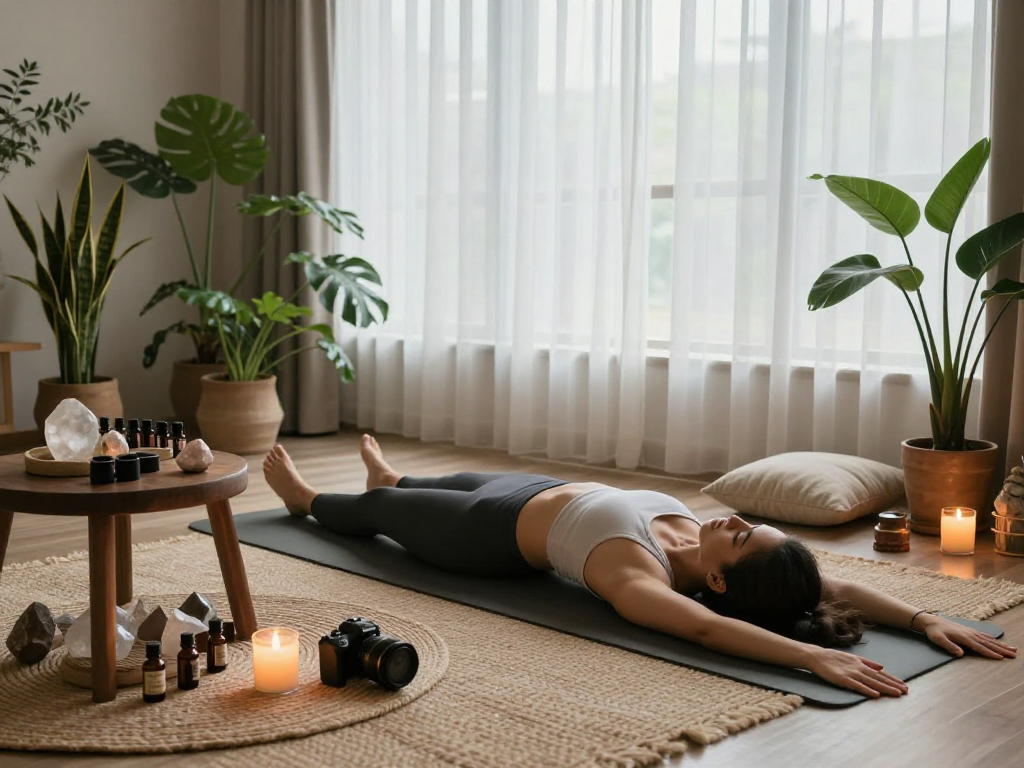
For those unable to travel, creating a personal wellness retreat at home can be equally enriching. Setting aside designated time for mindfulness practices, cooking nutritious meals, and engaging in creative hobbies can create a rejuvenating environment. Incorporating calming elements—such as aromatherapy, soft music, and natural decor—can further enhance this retreat-like experience within the comfort of one’s home.
How to Maintain Wellness After Returning Home
Returning from a retreat often brings about a desire to maintain the newfound sense of peace and wellness. Establishing a routine that incorporates mindfulness, movement, and nourishing meals can help bridge the transition. Additionally, fostering connections with others who share similar wellness goals can provide ongoing support and accountability, ensuring that the post-retreat momentum continues well into daily life.